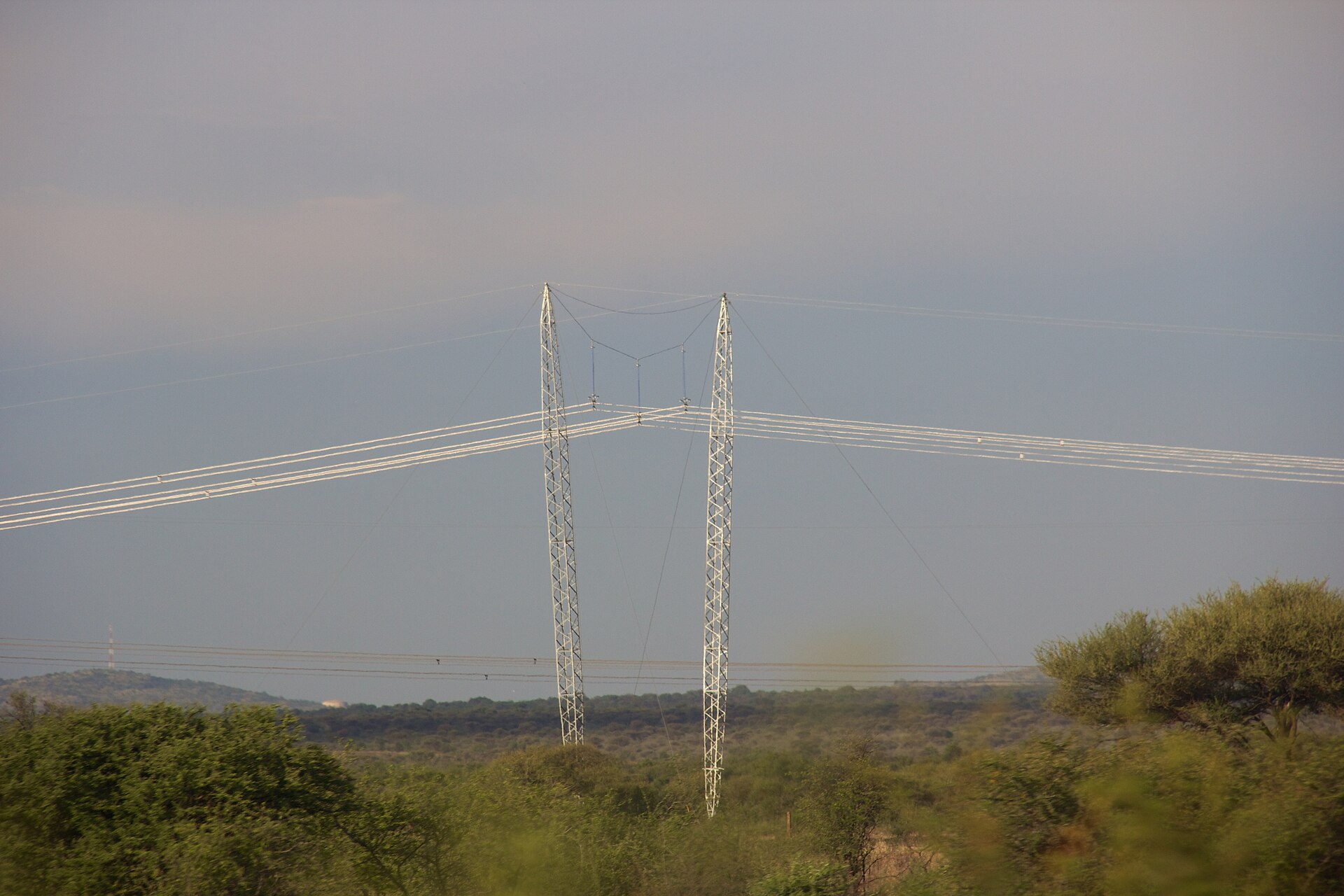
South Africa has now gone 441 consecutive days without load shedding, Eskom has confirmed, as the national power utility reports its strongest generation performance in years, a sharp drop in unplanned breakdowns and a dramatic reduction in costly diesel use.
According to SAnews, the country has kept the lights on without interruption since 16 May 2025. Between 1 April and 30 July 2026, electricity demand was met 100% of the time, and Eskom’s Winter Outlook for the period to 31 August continues to project no load shedding at all.
The best performance since 2017
One of the clearest signs of the turnaround came on 26 July, when Eskom’s fleet achieved a daily Energy Availability Factor of 82.04% – the utility’s highest daily performance since 2017. For the financial year to date, the Energy Availability Factor has climbed to 66.97%, a 7.28% improvement on the same period last year.
Compared with three years ago, availability is up 11.8%, which Eskom says has effectively returned about 5.9GW of generating capacity to the national grid – roughly the output of a very large power station. More than 85% of the coal fleet is now operating at availability levels between 73% and 97%.
Breakdowns at an eight-year low
Unplanned outages, long the Achilles heel of the power system, have fallen sharply. On 26 July they dropped to 4 562MW, the lowest level recorded since 30 June 2018. For the week of 24 to 30 July, average unplanned outages stood at 5 553MW – down from 10 641MW in the same week last year, a year-on-year reduction of 47.8%.
The improvement has strengthened system reliability right through the high-demand winter months, with the Unplanned Capacity Loss Factor improving to 11.74% from 22.21% a year earlier. Eskom attributes the gains to its Generation Recovery Plan, with planned maintenance still running at healthy levels.
Diesel bills tumble by 85%
Perhaps the most striking number is the diesel saving. Eskom burned no diesel at all between 24 and 30 July – the second consecutive week without any diesel-fired generation. For the financial year to date, diesel expenditure stands at R807.41 million, compared with R5.63 billion over the same period last year: a reduction of 85.67%.
The load factor of the open-cycle gas turbines, the emergency units used to plug gaps during peak demand, averaged just 1.08% for the week, down from 9.71% a year before.
For households, businesses and factories across the country, the numbers add up to something South Africans have craved for years: a stable, reliable grid – and a winter in which the lights simply stayed on.
Photo: commons.wikimedia.org









Leave a Reply