South Africa’s courts are quietly undergoing a digital transformation – and it is already making justice faster, more reliable and easier to reach, Deputy Minister of Justice and Constitutional Development Andries Nel told the Lex-Informatica 2026 Conference in Pretoria on Thursday.
Speaking at the gathering of legal and technology minds, Nel pointed to the Court Online system as a transformative success in the “management, handling, and sharing of court records”, as reported by SAnews.
Filing court papers from anywhere
Court Online enables law firms and litigants to file court documents electronically via the internet, significantly reducing reliance on traditional paper-based processes. According to the Deputy Minister, the platform now allows for:
- Reduced physical movement of people and documents between stakeholders and courts;
- Faster filing and retrieval of case-related information;
- The elimination of misplaced or lost case files; and
- Simultaneous access, so multiple authorised users can view and process the same file in real time.
For litigants, that means fewer trips to court buildings, fewer delays, and an end to one of the oldest frustrations in the system – the file that cannot be found.
Technology with a human heart
Nel was equally clear that technology is a tool for justice, not a substitute for the people who deliver it. “AI can identify precedent, but it can’t understand the moral weight of a decision,” he said.
“We can bring to technology what technology can’t supply – judgement, context, nuance, empathy, ethics, courage, and human understanding.”
The challenge, he argued, is not to resist technological change but to ensure that technology serves justice. That means using predictive analytics to anticipate legal needs, automation and digital platforms to deliver timely services, and real-time insights to inform policy – all while enhancing transparency and public trust.
Leaving no one offline
Nel stressed that as digitisation advances, the justice system must guard against digital exclusion, ensuring rural communities, the elderly and the economically disadvantaged share fully in the benefits.
He called for a whole-of-society effort – government, business, the legal profession, academia and civil society working together to shape a digital future that honours constitutional values.
“Justice in the digital age is about balance: balancing innovation with accountability, progress with protection, and efficiency with human rights and inclusivity,” Nel said. “Let us commit ourselves to ensuring that a digital age works to the betterment of humanity.”
With Court Online growing and a clear ethical compass guiding the journey, South Africa is building something worth celebrating: a justice system that is both smarter and more human.
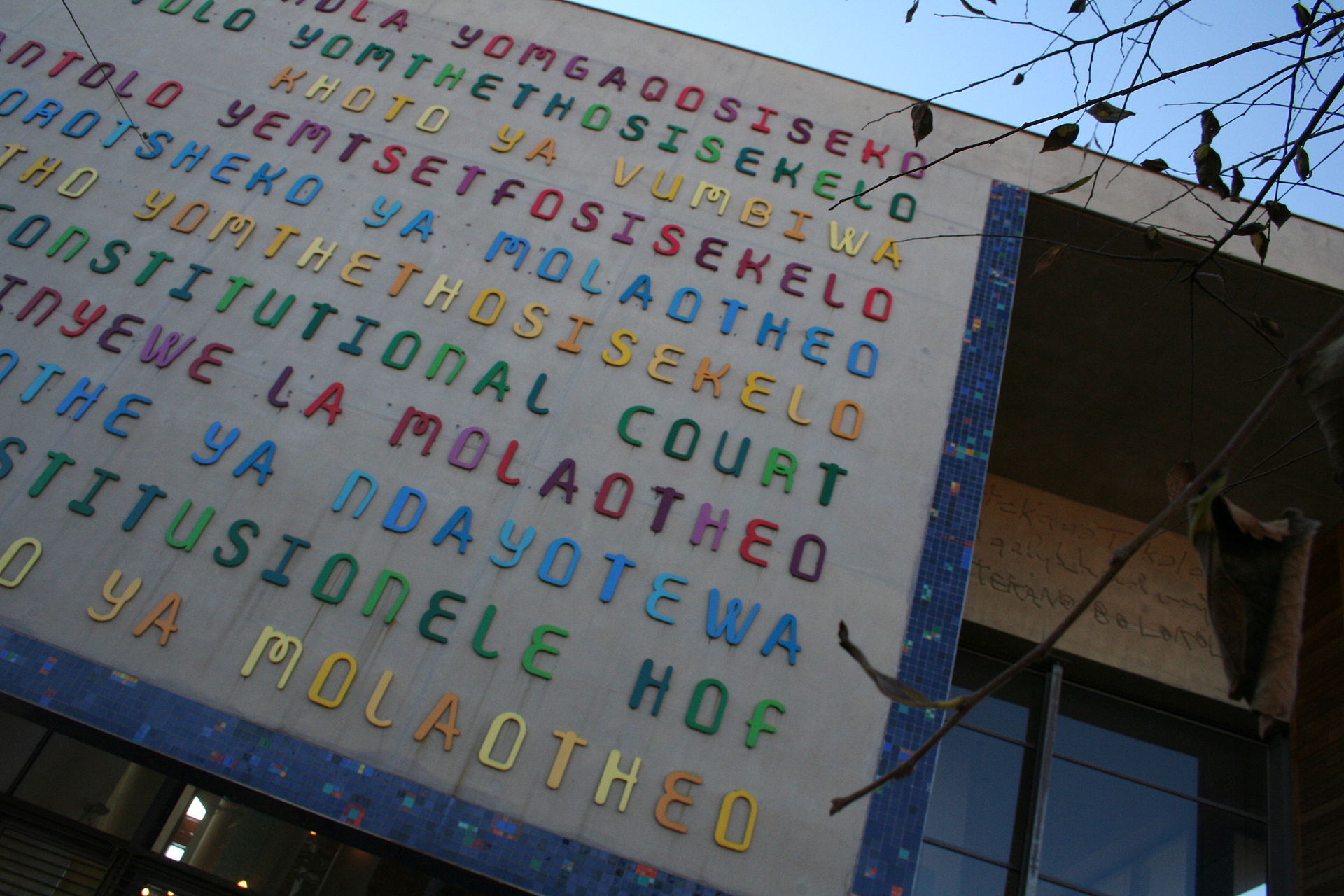
Photo: commons.wikimedia.org











Leave a Reply