As South Africa steps into Women’s Month, the numbers tell a story worth celebrating: women now hold 42.8% of the seats in Parliament, up from 33% in 2004, and the country’s march towards genuine equality is gathering pace in courtrooms, boardrooms and lecture halls alike.
The figures were shared by Deputy Minister in the Presidency for Women, Youth and Persons with Disabilities, Mmapaseka Steve Letsike, at the Fray Media and Government Communication and Information System, GCIS, Rise and Shine Women in Media Breakfast in Johannesburg, held under the theme “Empowered women empower the nation”, as reported by SAnews.
Gains that changed who leads
Letsike reflected on how democracy fundamentally altered the legal and political standing of South African women. “These are not cosmetic gains. They have changed who makes law, interprets policy and leads institutions. Our Constitution made equality and non-sexism founding values,” she said on Wednesday.
The progress shows up across the institutions of state:
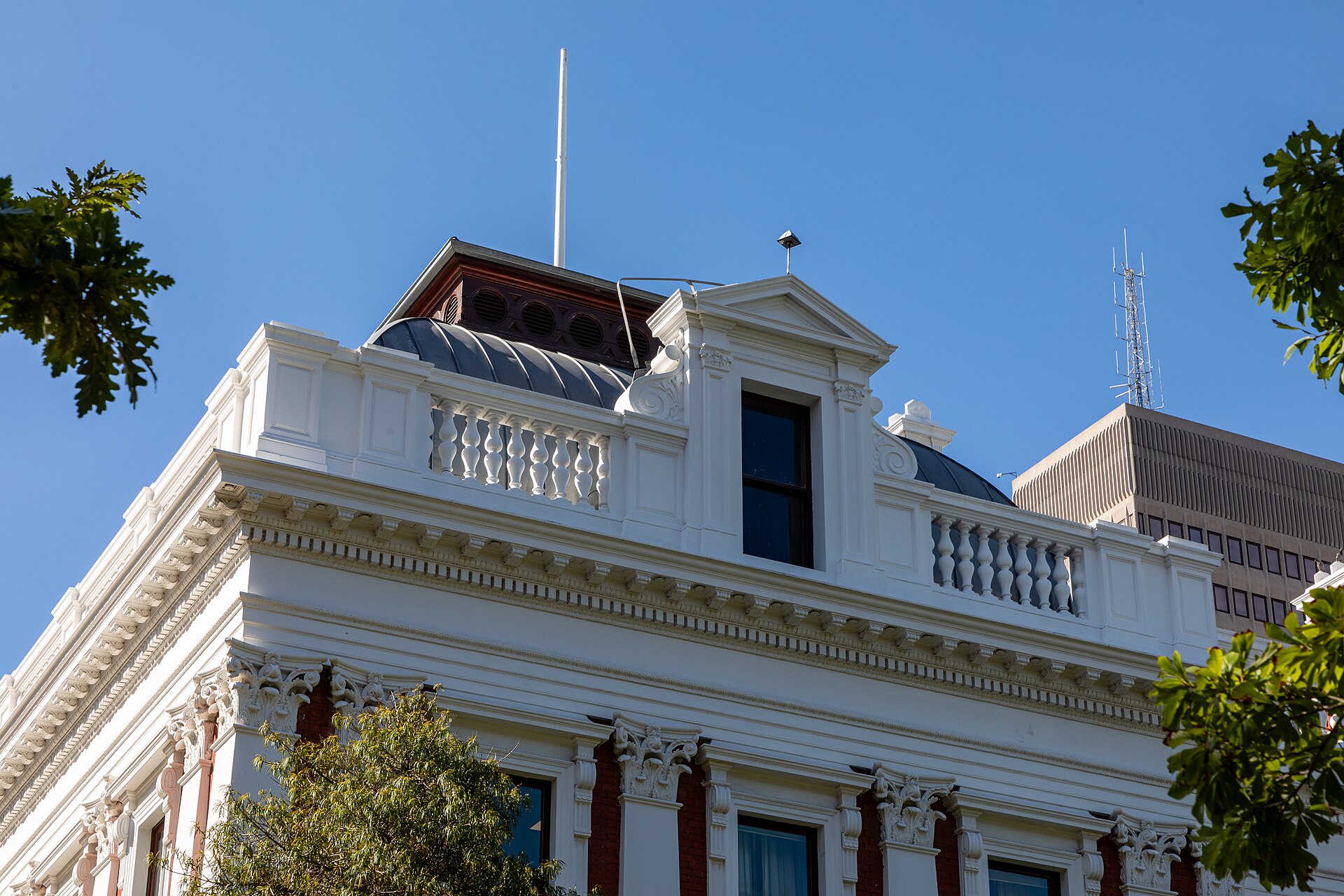
- Women’s representation in Parliament has risen from 33% in 2004 to 42.8% in 2024
- In the National Council of Provinces, women hold 44.4% of seats
- Women’s share of senior public service management reached 45.2% in 2023
- More tertiary-qualified women are entering physical, mathematical and engineering fields than before
Democratic South Africa, she noted, expanded reproductive freedom, strengthened protections for women, recognised women in customary marriages and advanced equality in employment.
The next chapter: from representation to ownership
Letsike’s message looked firmly forward. True empowerment, she argued, is “the collective redesign” of society so that every woman can thrive — not just a fortunate few. She called for a national care compact built on five commitments: recognising care work, reducing its burden, redistributing it across women, men, the state and the market, rewarding paid care workers with decent conditions, and representing care workers in the decisions that affect them.
That vision, she said, means accessible early childhood development, support for older persons and persons with disabilities, reliable water and transport, social protection, and parental leave that changes behaviour at home.
She also encouraged workplaces to become spaces of genuine dignity and respect, where every woman’s authority and belonging are beyond question.
Building an economy women own
Looking ahead, the Deputy Minister set out an ambitious goal: an information economy in which women own institutions, shape technology and receive a fair share of public and commercial value.
“Let it be said that we moved from visibility to ownership, from representation to redistribution, and from policy promise to lived freedom.”
Thirty years of progress, and a clear map for the next thirty — as Women’s Month begins, South Africa’s women are not just at the table; increasingly, they are building it.
Photo: commons.wikimedia.org








,_Parliament_of_South_Africa_%2D%2D_2024_%2D%2D_3490.jpg)
Leave a Reply