South Africa’s scientists are producing knowledge of global significance – and a dedicated corps of science communicators is making sure that knowledge belongs to everyone, not just the laboratories that produce it.
“A science communicator helps to close the gap between science and society,” Dr Anton Binneman, Manager for Science Communication at the National Research Foundation’s South African Agency for Science and Technology Advancement (SAASTA), told the South African Government News Agency. The work involves translating complex scientific information into language and formats that different audiences can understand, relate to and use.
A month-long celebration of science
The conversation comes as South Africa commemorates its first National Science Month, launched on 4 July 2026 by Deputy Minister of Science, Technology and Innovation Dr Nomalungelo Gina at the Vaal University of Technology in Sebokeng, under the theme Science, Technology and Innovation are for everyone.
The expansion from National Science Week – observed since 2000 – to a full month gives universities, science councils, schools, businesses and community organisations more time and space to participate, Binneman said, with public lectures, exhibitions, science tours, school activities and community engagements spanning themes from health and climate change to space science and indigenous knowledge systems.
World-class science, made local
Binneman is keen to challenge the idea that South Africa merely consumes science produced elsewhere. The country has world-class research capabilities in astronomy, biodiversity, health, paleoscience, climate research, nuclear science and space weather.
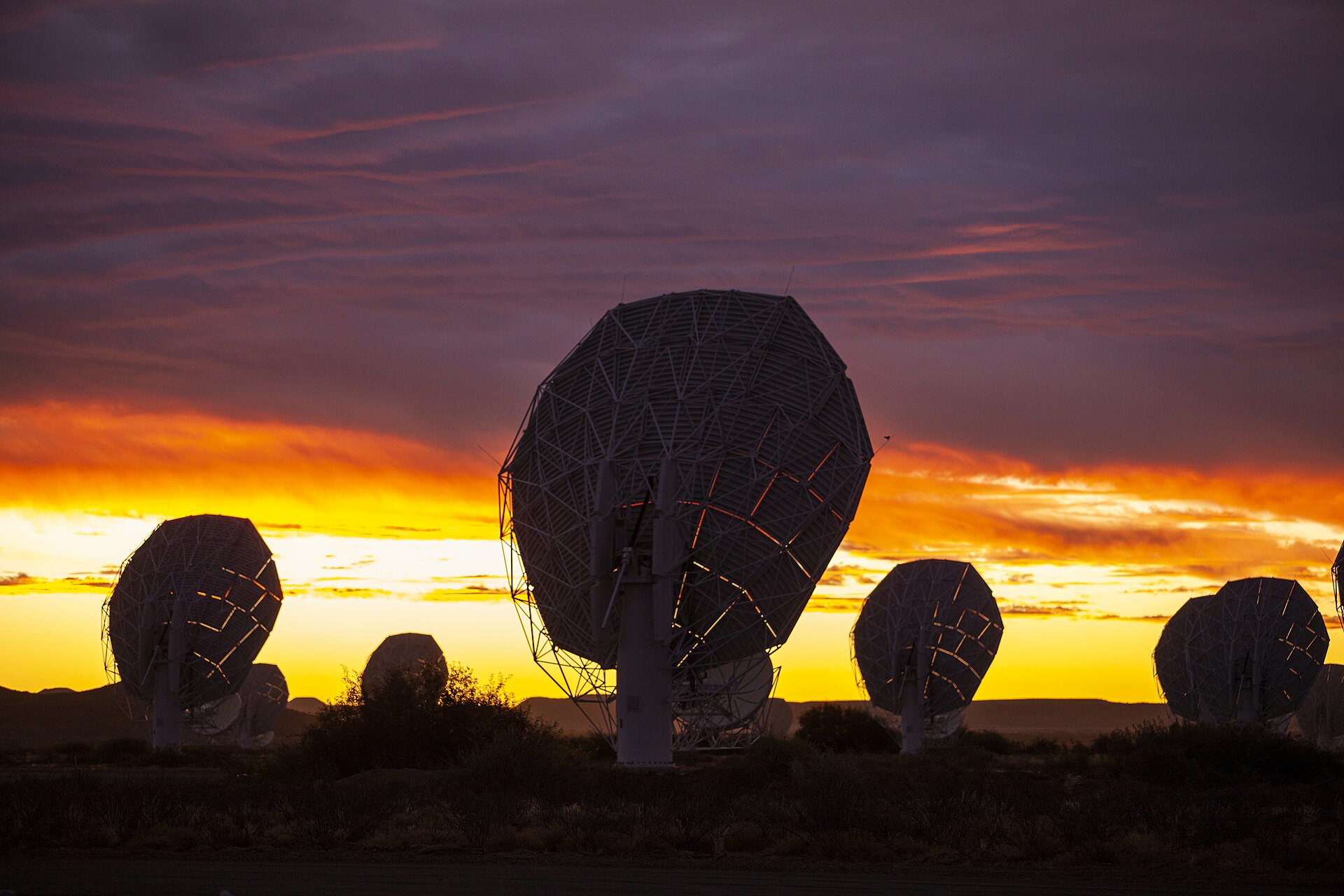
“Facilities such as MeerKAT, the Southern African Large Telescope, iThemba LABS, and the South African National Space Agency’s Space Weather Centre demonstrate that South Africa is not merely consuming scientific knowledge produced elsewhere; we are helping to produce knowledge of global significance.”
His own path has included work on the Square Kilometre Array project in the Northern Cape, the international effort to build the world’s largest radio telescope – an experience, he says, that taught him to listen to communities as well as explain the science.
Growing the next generation of communicators
To build the profession, the Department of Science, Technology and Innovation, through NRF-SAASTA, supports a postgraduate diploma in science communication, complemented by internships, mentorship and workplace-based learning. Binneman highlights a particular need for communicators who can work in South Africa’s indigenous languages.
“People should not have to encounter science only in highly technical English. Language affects access, trust and the ability to participate meaningfully,” he said.
The goal, ultimately, is a society in which people can ask informed questions, assess evidence and take part in decisions about science and technology – a fitting ambition for a month built on the idea that science is for everyone.
The full interview was published by SAnews.
Photo: commons.wikimedia.org




Leave a Reply