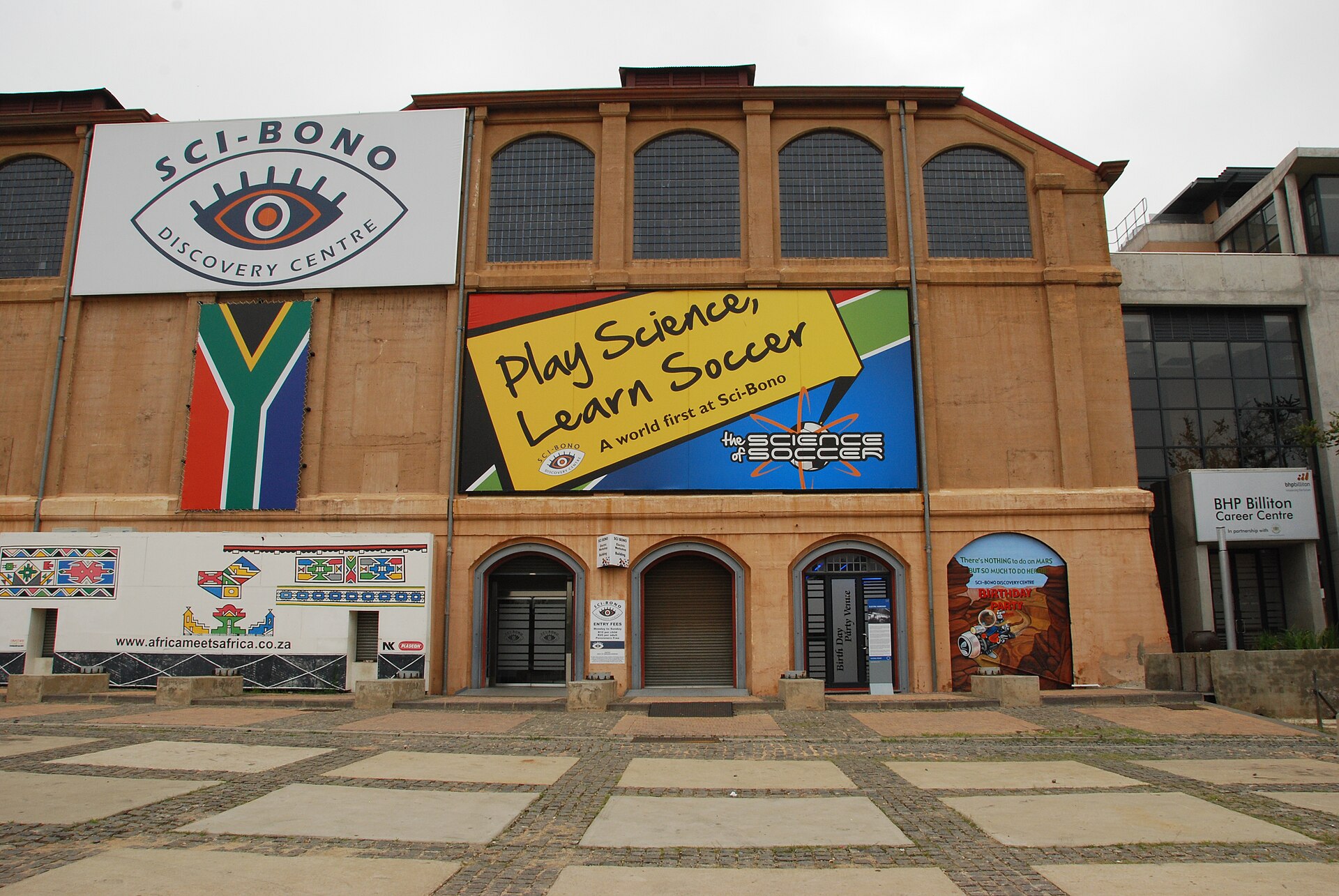
For the first time in its history, South Africa is dedicating an entire month to celebrating science – and the invitation could not be clearer: this is for everyone.
The country’s inaugural National Science Month kicked off this July, launched on 4 July 2026 by Deputy Minister of Science, Technology and Innovation Dr Nomalungelo Gina at the Vaal University of Technology in Sebokeng. It marks a major upgrade from National Science Week, a beloved fixture on the calendar since 2000, and runs under a fittingly inclusive theme: “Science, Technology and Innovation are for everyone.”
From One Week to a Full Month
The expansion, first announced by Science, Technology and Innovation Minister Professor Blade Nzimande at the 2025 National Science Week launch, reflects government’s recognition of the growing role science and innovation play in solving national and global challenges.
Dr Anton Binneman, Manager of Science Communication at the South African Agency for Science and Technology Advancement (SAASTA), a unit of the National Research Foundation, says the longer format changes what is possible. “The move from one week to a full month provides more time and space for universities, science councils, government departments, businesses, schools, scientists and community organisations to participate. It also allows us to address a broader range of subjects and reach communities that may not previously have had opportunities to participate in science engagement activities,” he told SAnews.
The month-long programme spans public lectures, community engagements, exhibitions, science tours, expert discussions, school activities and media engagements, covering themes from health and climate change to space science, human rights and indigenous knowledge systems.
Closing the Gap Between Science and Society
Binneman describes the work of a science communicator as far more than simplifying jargon. “A science communicator helps to close the gap between science and society,” he explains. “The ultimate objective is not merely to tell people what science says. It is to contribute to a society in which people can ask informed questions, assess evidence, form their own opinions and participate critically in discussions about science, technology and innovation.”
That means meeting South Africans where they are – on radio and television, in newspapers and on social media, at exhibitions, in museums, at schools and through community dialogues, in the languages and formats people actually use.
An Encouraging Start
Though it is early days, the response has been heartening. Organisations across the National System of Innovation are rolling out activities, and members of the public are being invited not just to attend events but to start their own science conversations in their communities.
For Binneman, that participatory spirit is the true measure of success: not the number of events held, but whether ordinary South Africans begin to recognise that science is part of their daily lives – and that they have a rightful place in the conversation about it.
With a full month of discovery ahead, learners, families and curious minds across the country have every reason to dive in.
Photo: commons.wikimedia.org






Leave a Reply