South African conservationists have pulled off a remarkable triple victory over invasive species, restoring some 13,000 acres of precious native habitat across the Western Cape and handing a lifeline to two threatened amphibians and the country’s most endangered migratory freshwater fish.
The achievements, carried out between 2017 and 2025 by groups working under the banner of the International Union for the Conservation of Nature (IUCN), are summarised in a new IUCN report that reaches a simple conclusion: the broader the approach – combining habitat restoration, biological control and community-based conservation – the better the results. It is a meaningful win on a continent where invasive species cost crop, fisheries, livestock and eco-tourism industries an estimated 65 billion dollars every year.
A mountain reclaimed for a tiny frog
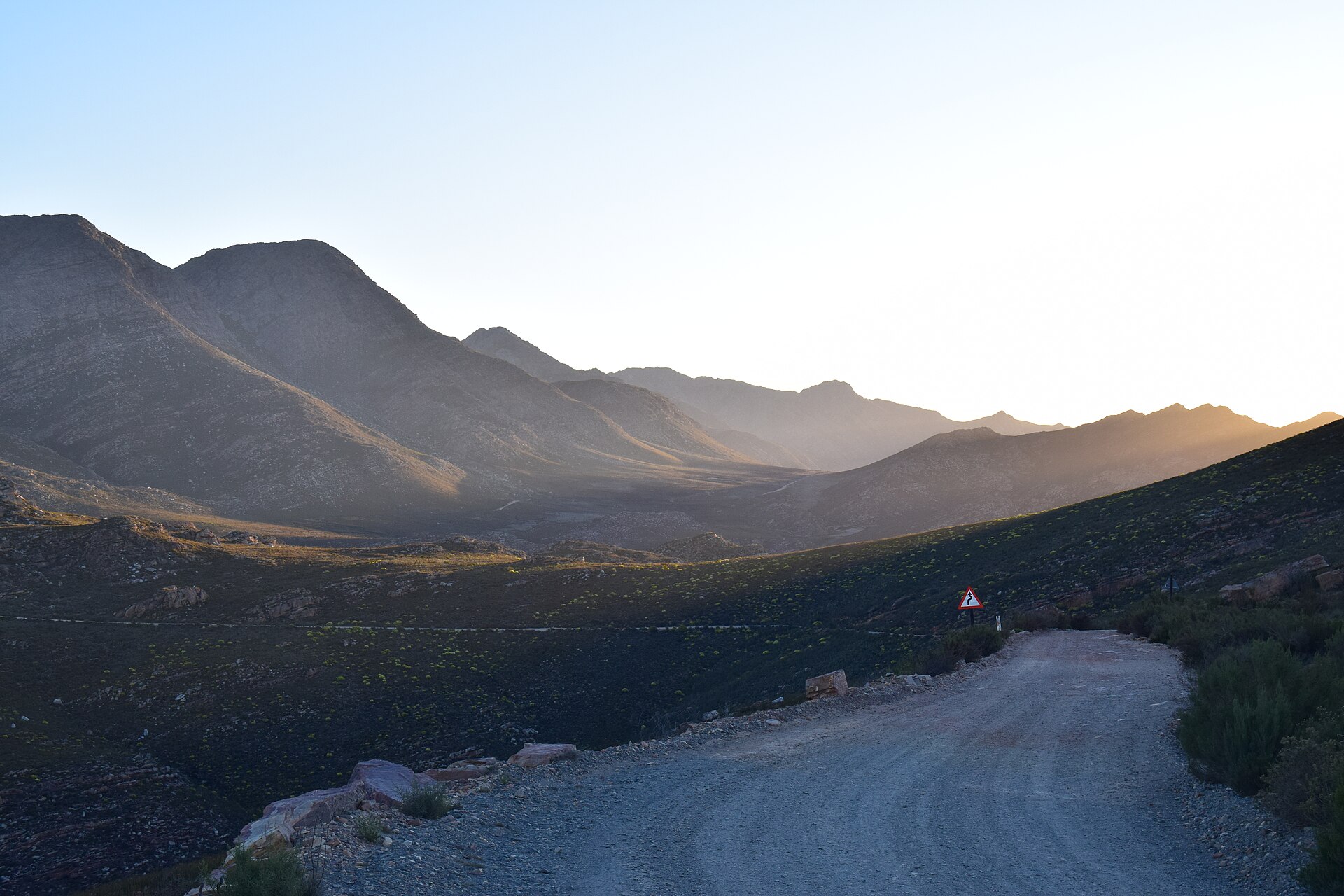
On the Klein Swartberg mountain, dense stands of invasive maritime pines were draining the wetlands that the Critically Endangered rough moss frog depends on, while dramatically raising the risk of catastrophic wildfire. Conservationists from the IUCN-affiliated Endangered Wildlife Trust turned that fire risk against the invaders, using a controlled burn together with manual clearing to eliminate the pines and restore more than 8,500 acres of habitat.
The rewards came quickly: post-burn field surveys uncovered six previously unknown subpopulation strongholds of the rough moss frog.
Fynbos flourishing again in Tokai
In Cape Town’s Tokai Park, volunteers and professionals from Friends of Tokai Park manually cleared 12 acres of invasive Eucalyptus and Acacia trees that had disrupted the soil environment of the Cape Flats Sand Fynbos – a highly biodiverse vegetation type found only in the Cape Floral Region and vital to the western leopard toad.
The team planted 4,500 native seedlings, and the results speak for themselves: invasive vegetation decreased by 22% while native vegetation recovered by 28%. The project doubled as a training ground, giving young conservationists hands-on experience in ecological restoration.
A fish swims back from the brink
The third triumph belongs to the Clanwilliam sandfish, South Africa’s most endangered migratory freshwater fish, whose young were being devoured by invasive bass and bluegill. Using a “rescue-rear-release” method combined with alien-fish removal to create predator-free sanctuaries, researchers achieved a doubling of spawning populations in the Biedouw River.
Together, the three projects show South Africa leading the way in practical, science-driven conservation – proof that with patience, partnership and local knowledge, damaged ecosystems can heal. The full account of the projects was reported by the Good News Network.
Photo: commons.wikimedia.org







Leave a Reply