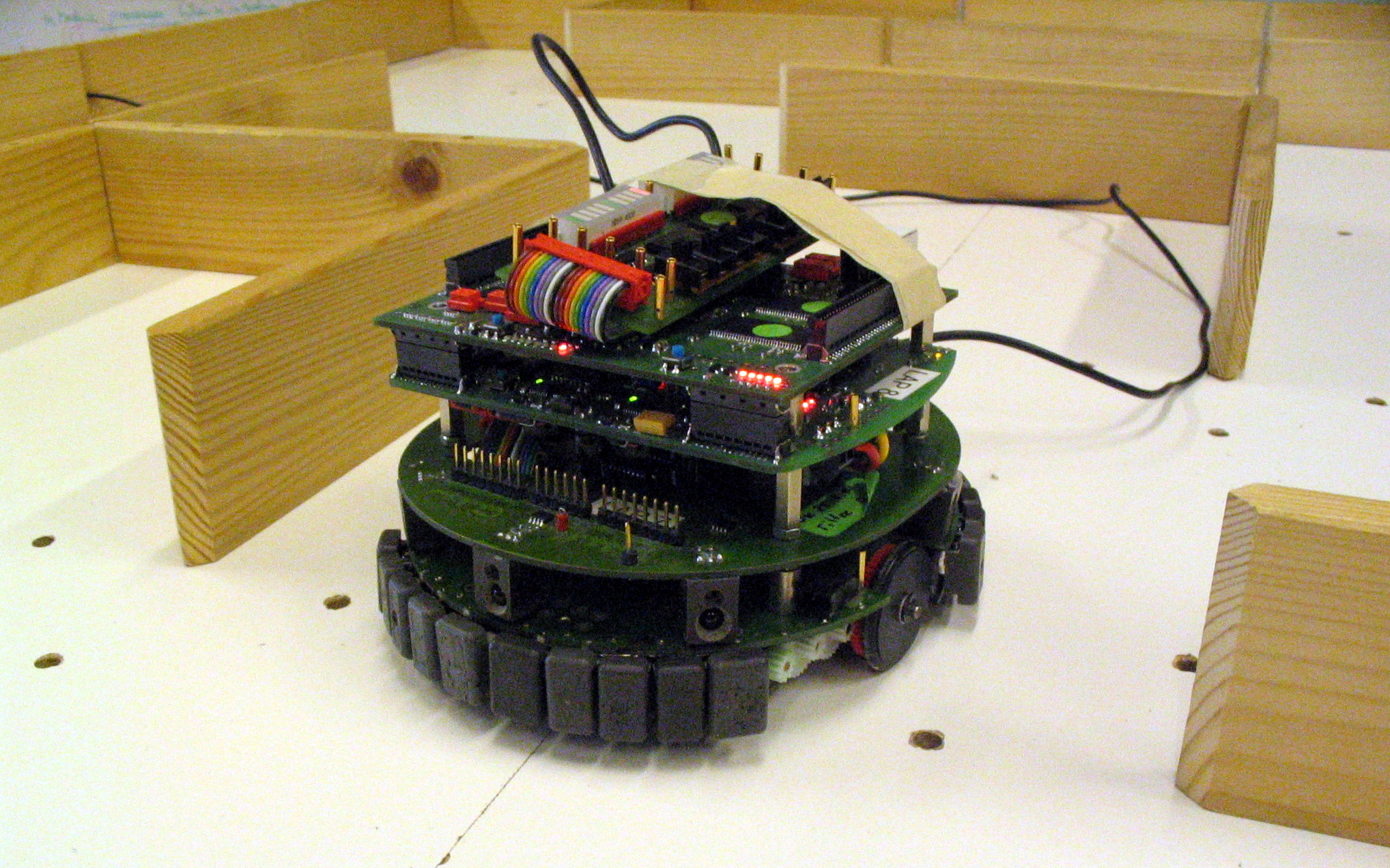
Two teams of young innovators from Limpopo are representing South Africa on a global stage in Geneva, taking locally developed robotics ideas to the Robotics for Good Youth Challenge Grand Finale.
Robo-Kidz, from Mashupye Tladi Primary School, and Roborise, from Bokamoso Secondary School, are competing at the Palexpo International Exhibition and Convention Centre from 7 to 10 July. Their journey from Seshego to Switzerland follows success through local, provincial and national rounds.
The Department of Basic Education’s announcement describes the appearance as evidence of the value of sustained investment in coding, robotics and science education.
From a national challenge to the world stage
The teams earned their places by winning the South African edition of the Robotics for Good Youth Challenge. A local report by Review recorded that seven learners make up Robo-Kidz and nine compete for Roborise. They were selected after competing against 30 teams from across the country.
The national challenge asked participants to apply robotics and artificial intelligence to food security, giving learners a real-world problem rather than a purely technical exercise. That approach rewards creativity, teamwork and the ability to connect code with community needs.
The international organiser, AI for Good, lists Robo-Kidz among the junior teams at the 2026 grand finale. The programme brings young innovators together to demonstrate how technology can contribute to practical social solutions.
Skills built through steady investment
South Africa’s Coding and Robotics Curriculum and Assessment Policy Statement has been approved and gazetted, with phased pilots under way since 2021. The curriculum introduces learners to computational thinking, problem-solving, design and digital technologies.
In Limpopo, the Mathematics, Science and Technology Conditional Grant supports coding and robotics, teacher development, laboratory resources and enrichment opportunities. The Basic Education Department says about 90,000 learners benefit each year from camps, Olympiads, science fairs, competitions and international opportunities supported by the grant.
Those numbers help explain why the Geneva appearance is bigger than a single competition. The two teams represent a growing pipeline of learners gaining access to technical tools, skilled educators and platforms where they can test their ideas.
A proud signal from public schools
Robo-Kidz and Roborise also carry an encouraging message about where innovation can begin. Their schools are producing learners able to compete internationally after only a few years of structured coding and robotics support.
Principals at both schools have praised the learners’ dedication and encouraged them to keep technology at the centre of their ambitions. The achievement also reflects the work of educators, parents, provincial officials and partners who helped the teams progress from classrooms to national winners.
Whatever the final competition results, reaching Geneva is already a significant South African education story. It places young Limpopo problem-solvers alongside peers from around the world and shows how targeted opportunities can turn curiosity into global participation.
This article was produced with AI assistance and editorially reviewed by Mzansi News Online.







Leave a Reply